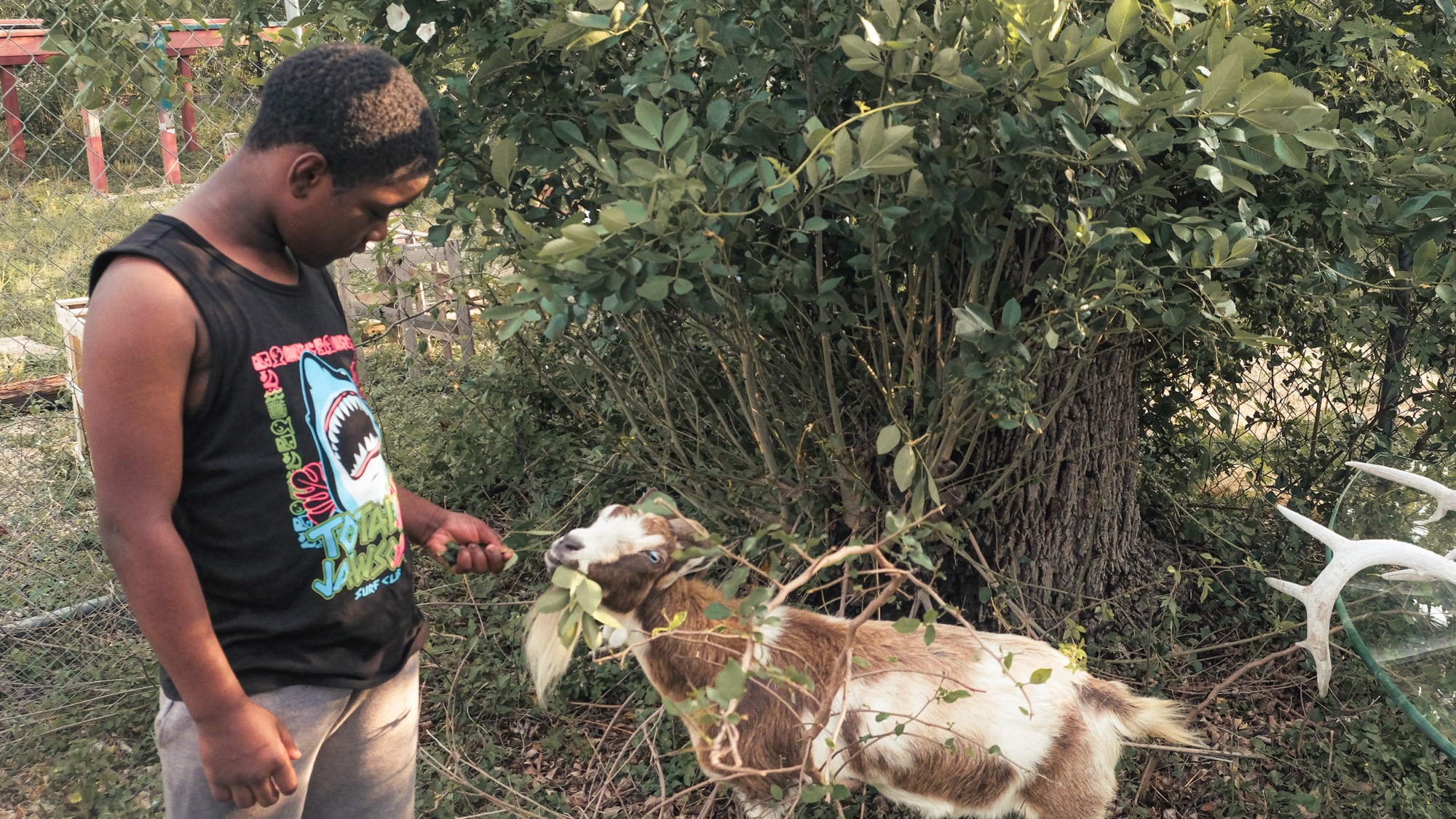
The silence.
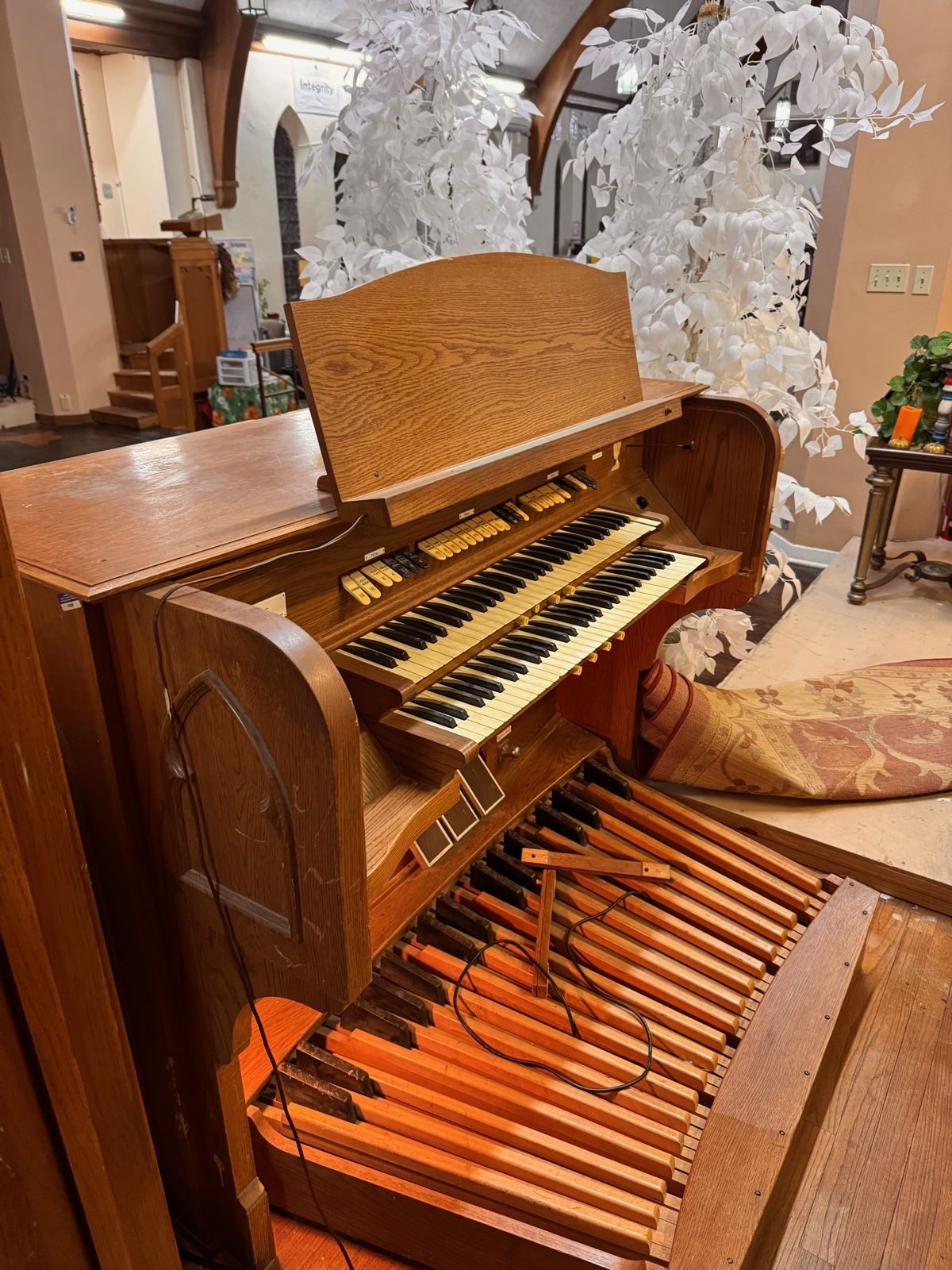
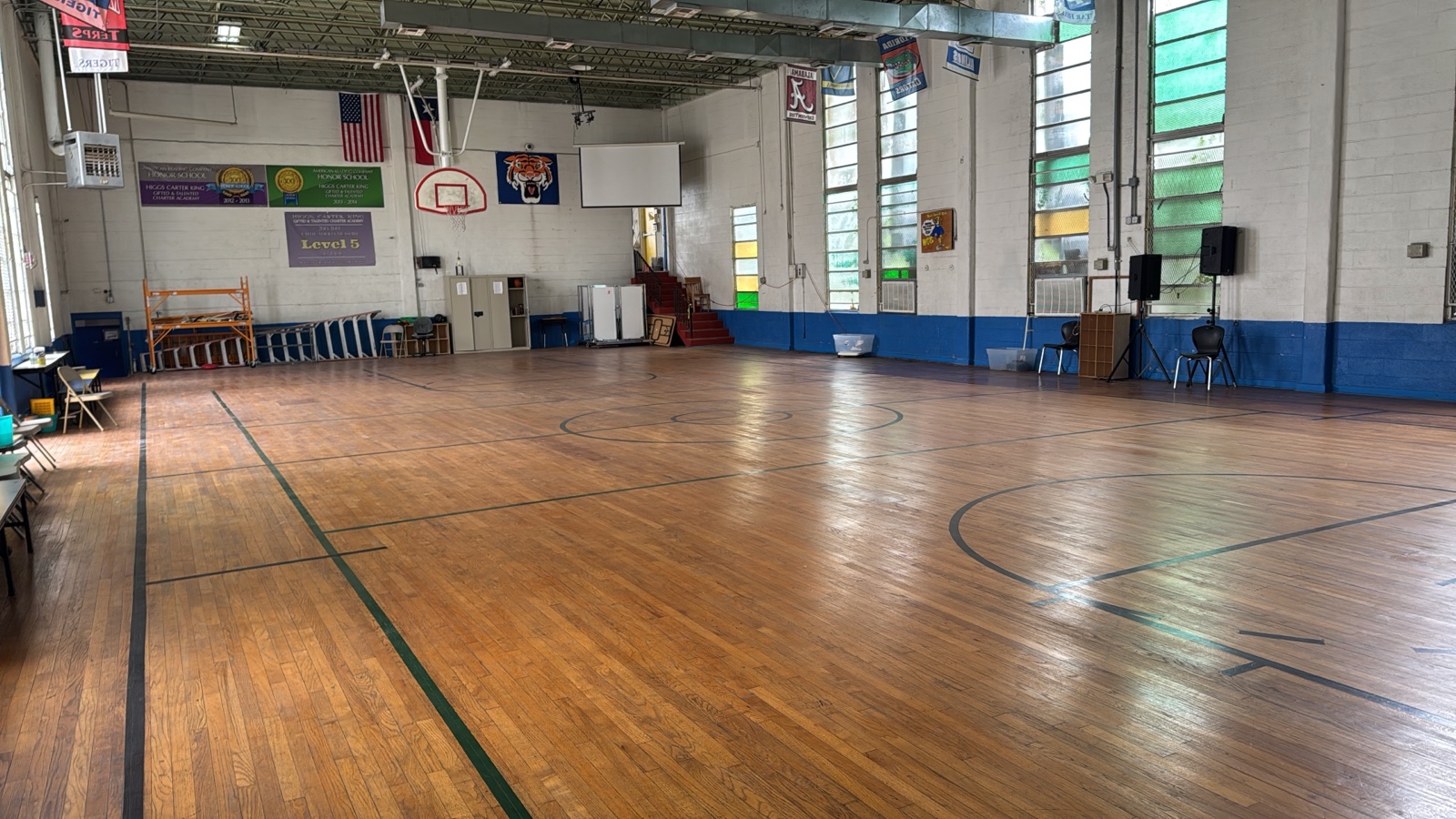
An abandoned school is not quiet. It is loud with everyone who used to be there — chalk ghosts on the boards, a stage no child had stood on in years, a gymnasium where the only thing still moving was dust turning in the light. This one sat on a block off Woodlawn Lake that the maps had stopped looking at. Buildings like it are not empty. They are full of a future somebody promised a neighborhood and then quietly repossessed.
We decided, with considerably more conviction than budget, to make it a school again — a school of a different kind. An ecological training center. The phrase is bloodless. The intention was not.
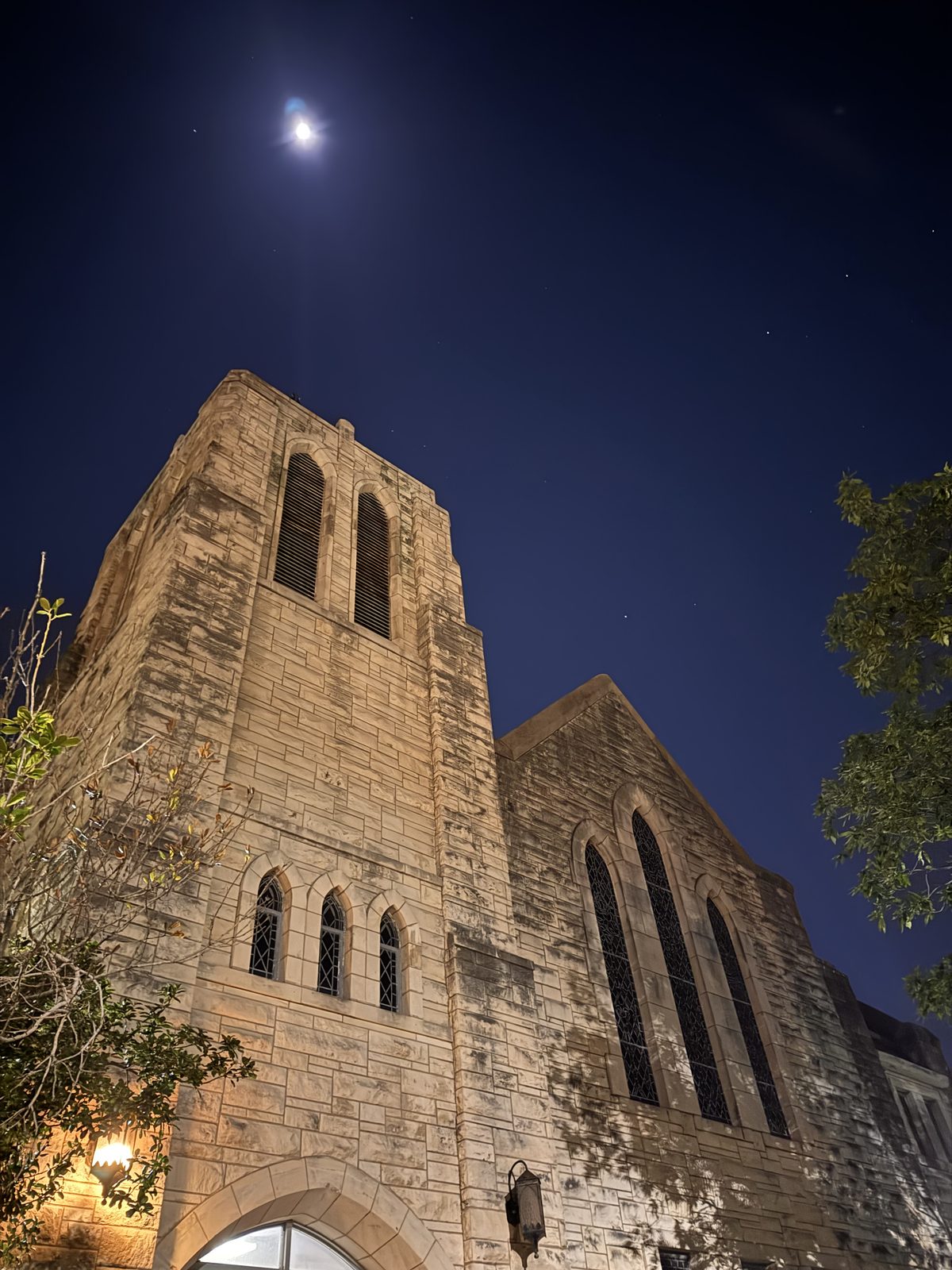
The bones.
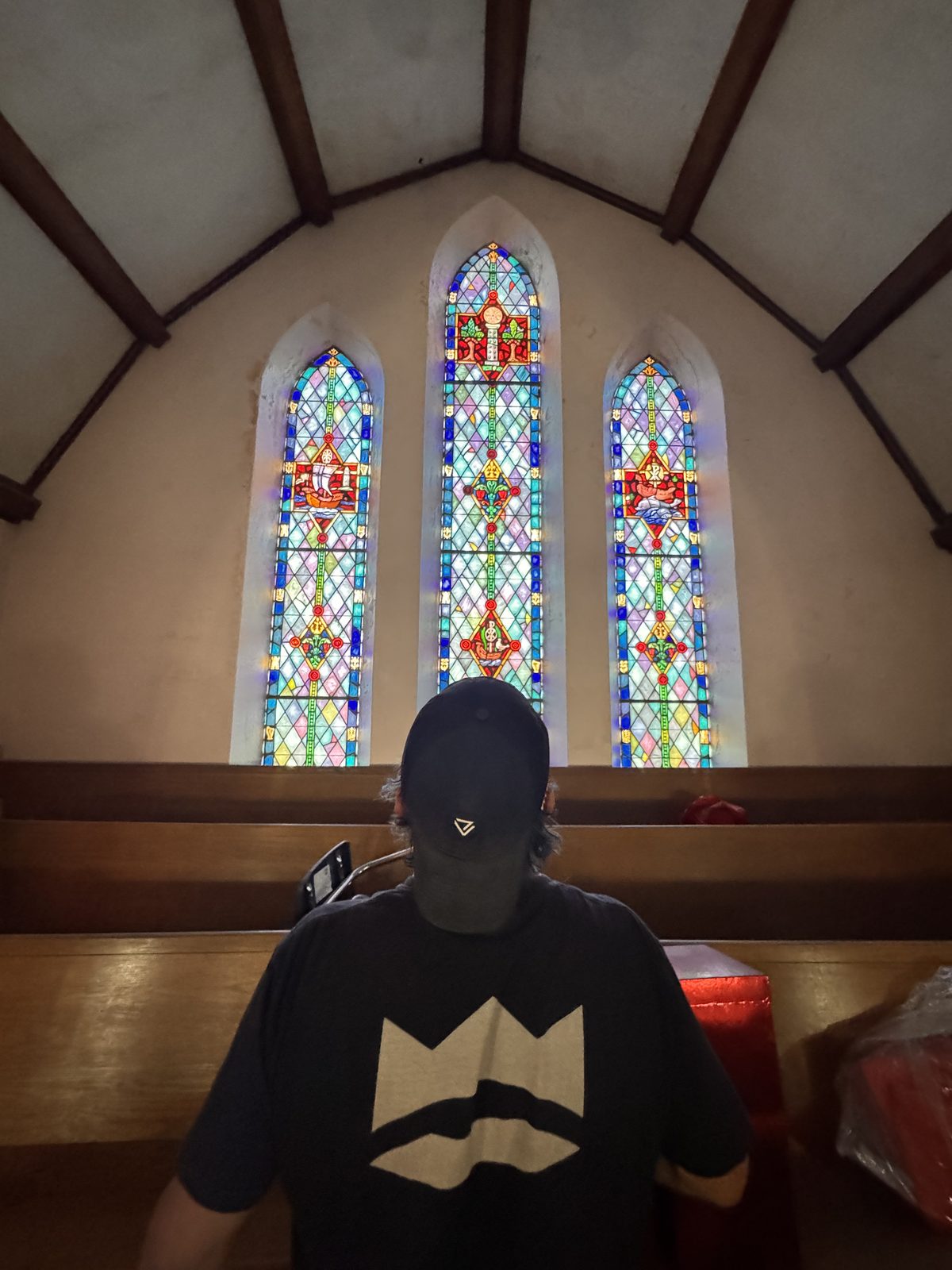
Under the dropped ceilings and the institutional paint, the building remembered that it had once been built to lift the eye. Timber trusses arched overhead like the ribs of an upturned boat. A triptych of stained glass threw colored light across a floor nobody had swept in a long time. A place can be neglected without being killed; this one had simply been waiting — the way the Hill Country waits between rains — for someone to decide it was worth the trouble.
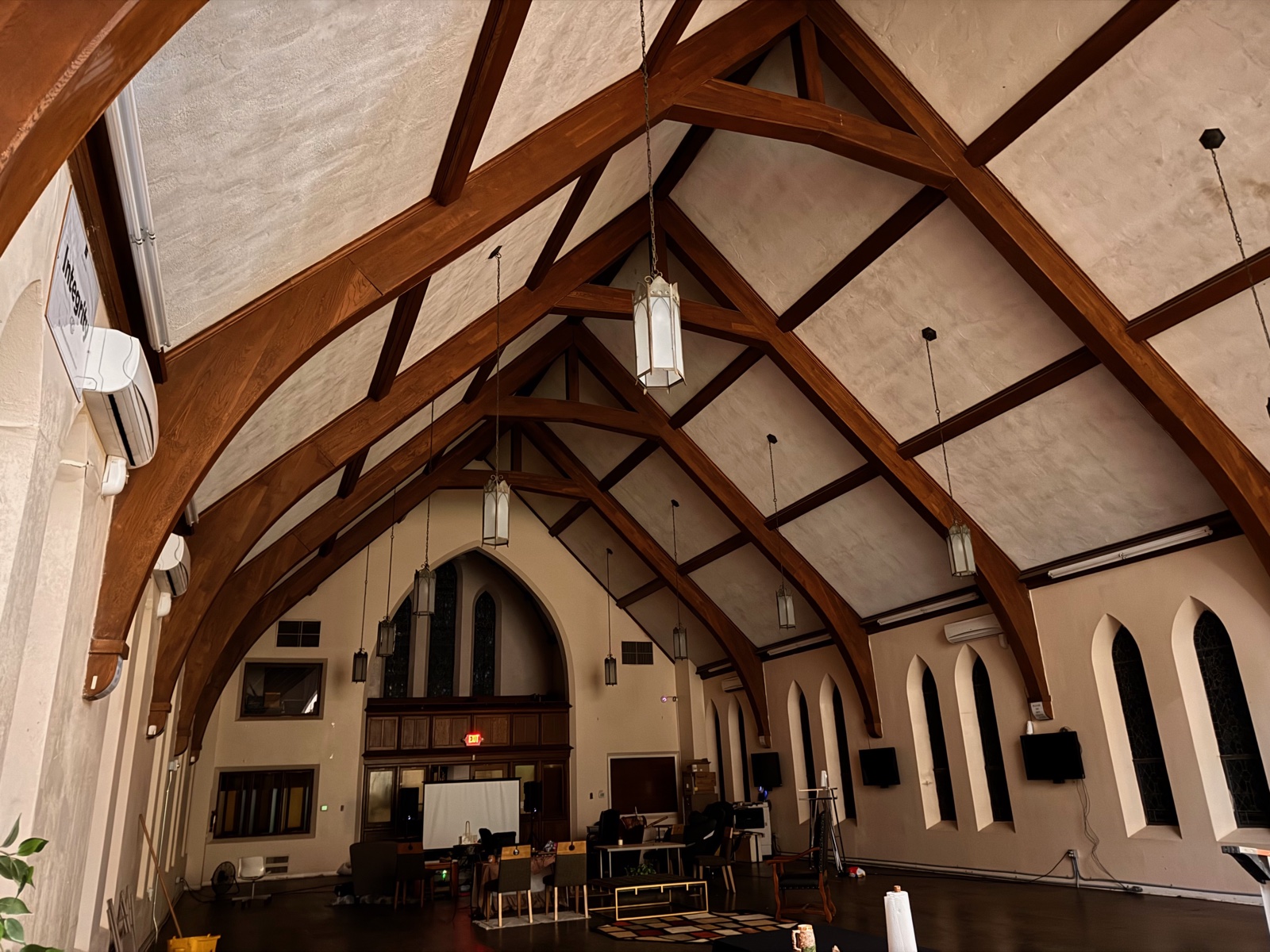
What we walked into.
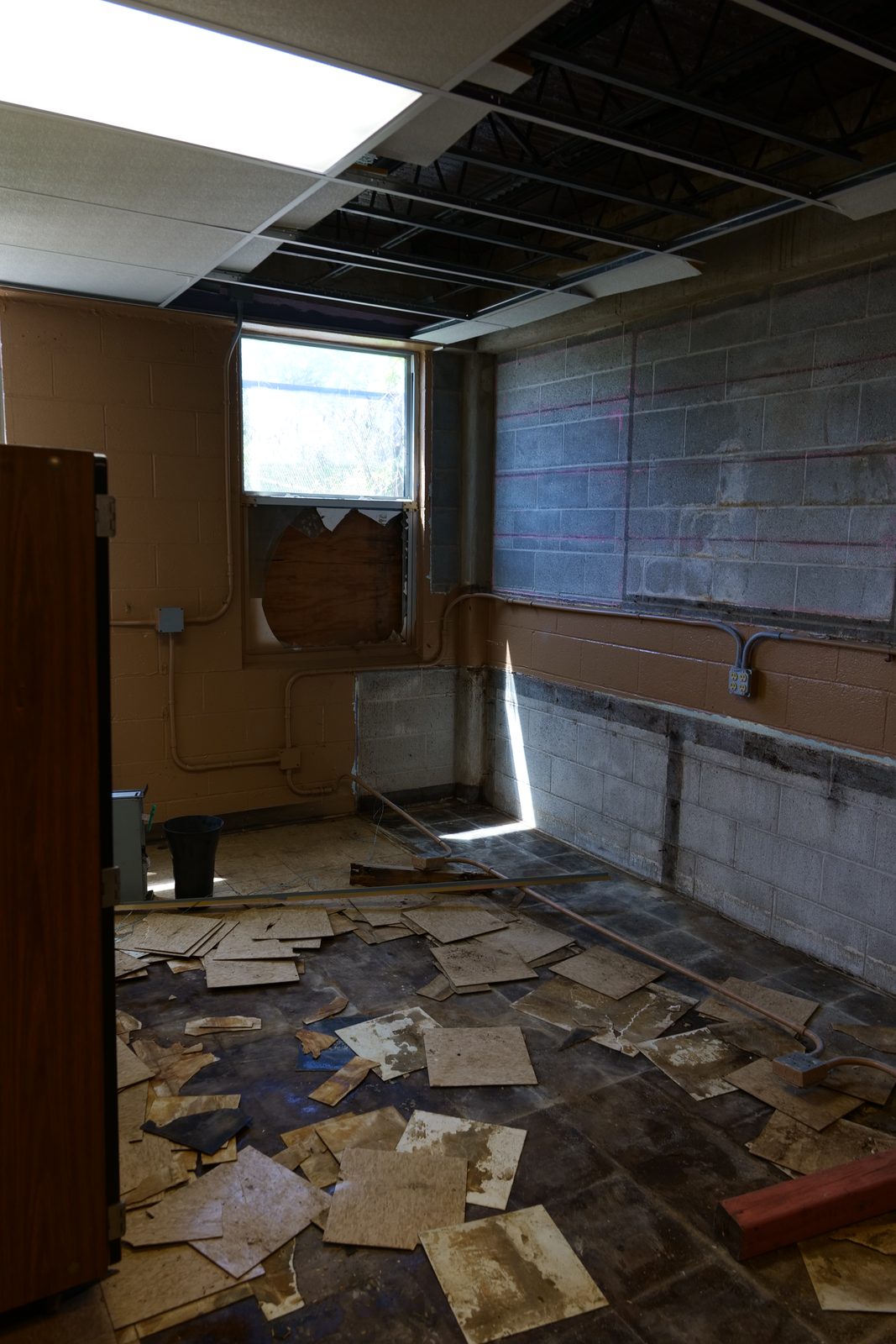
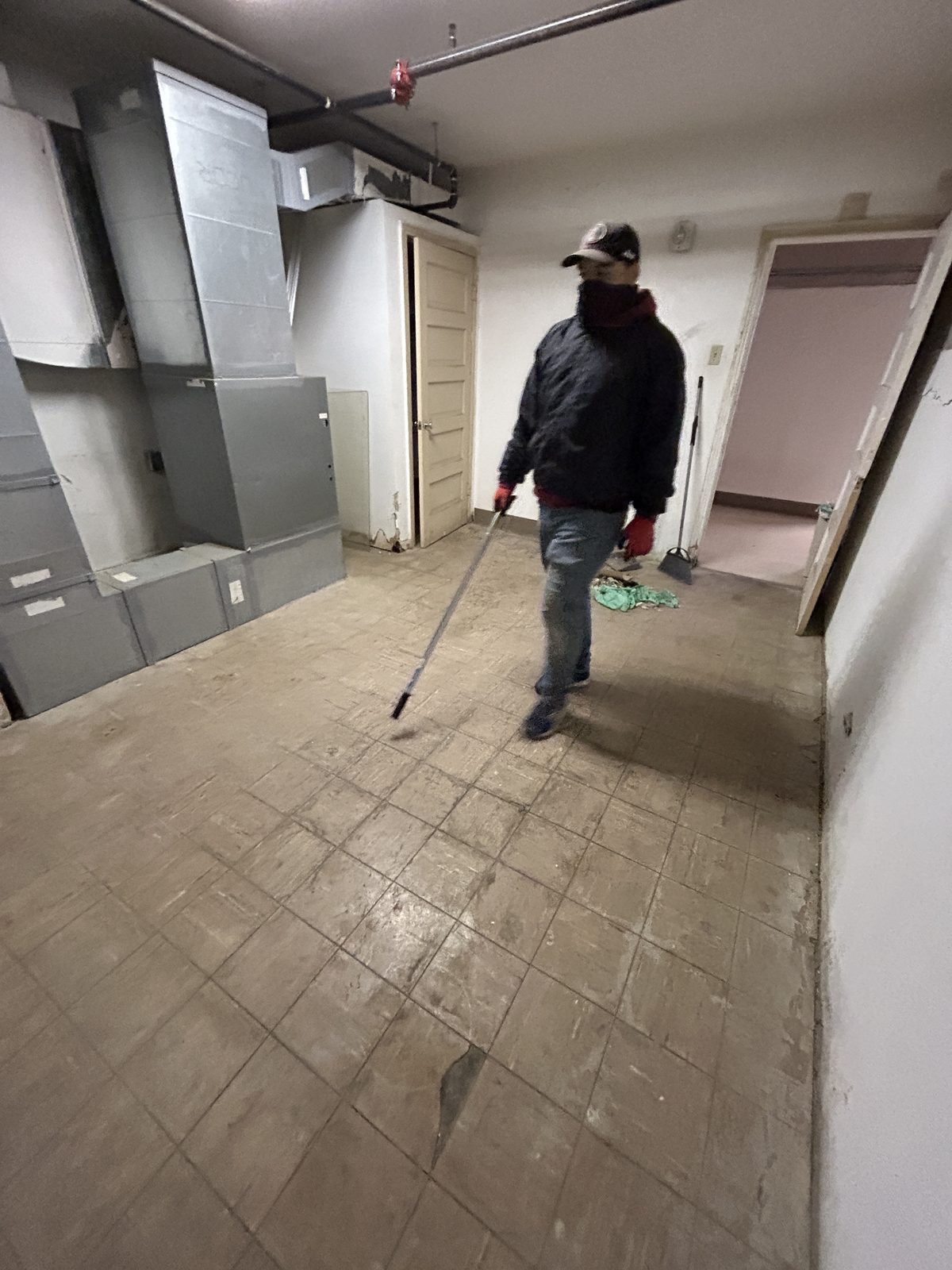
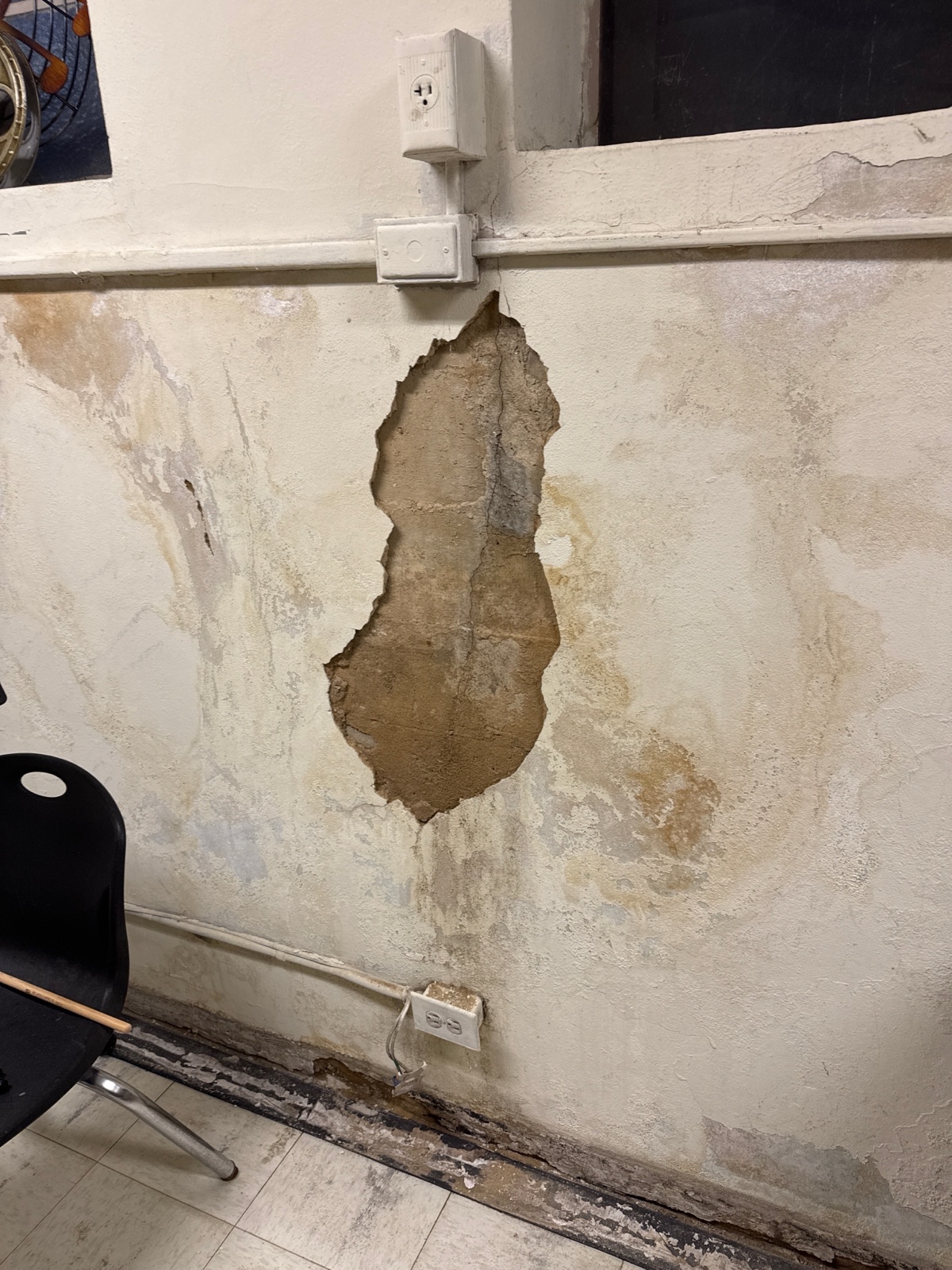
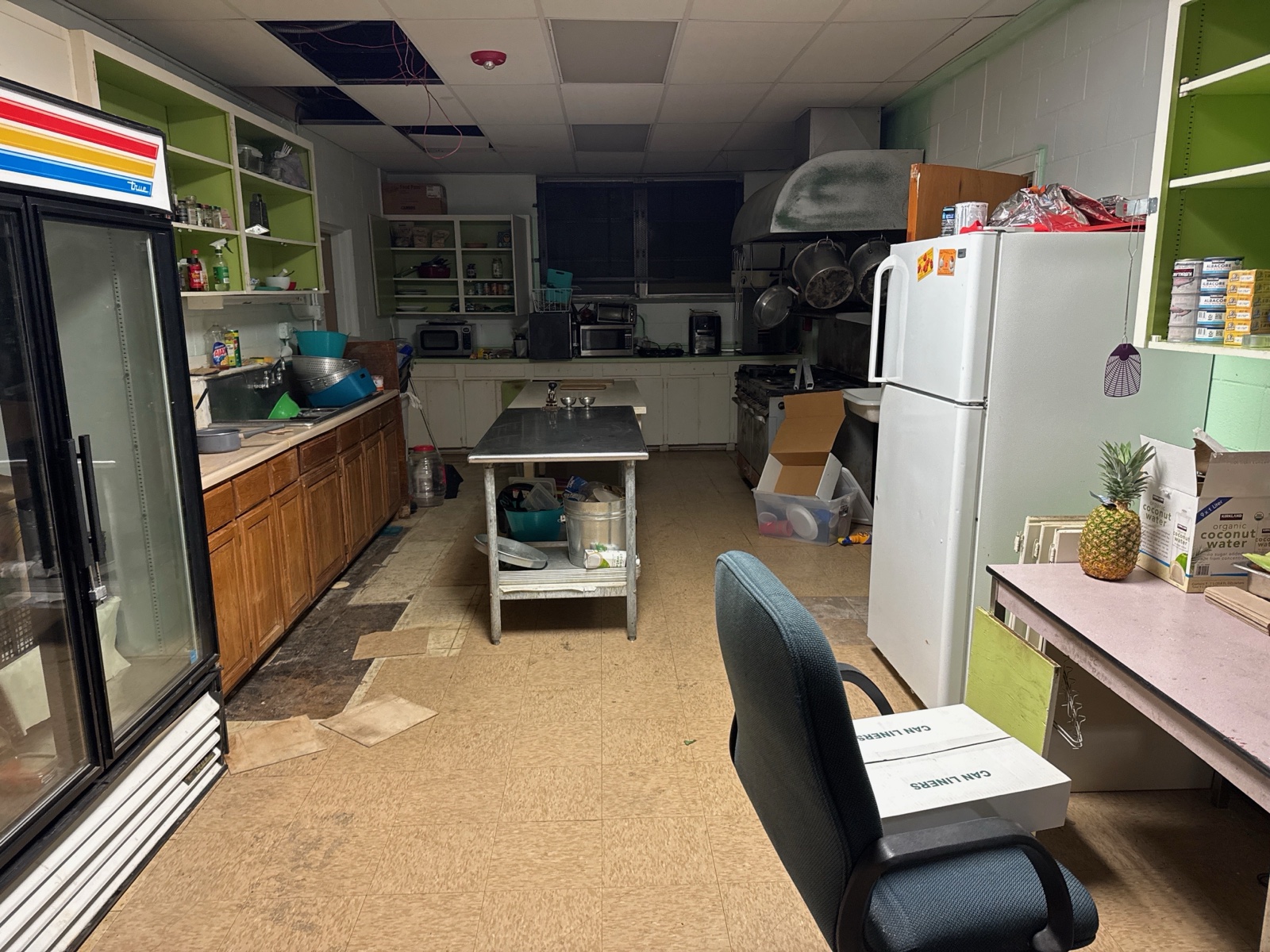
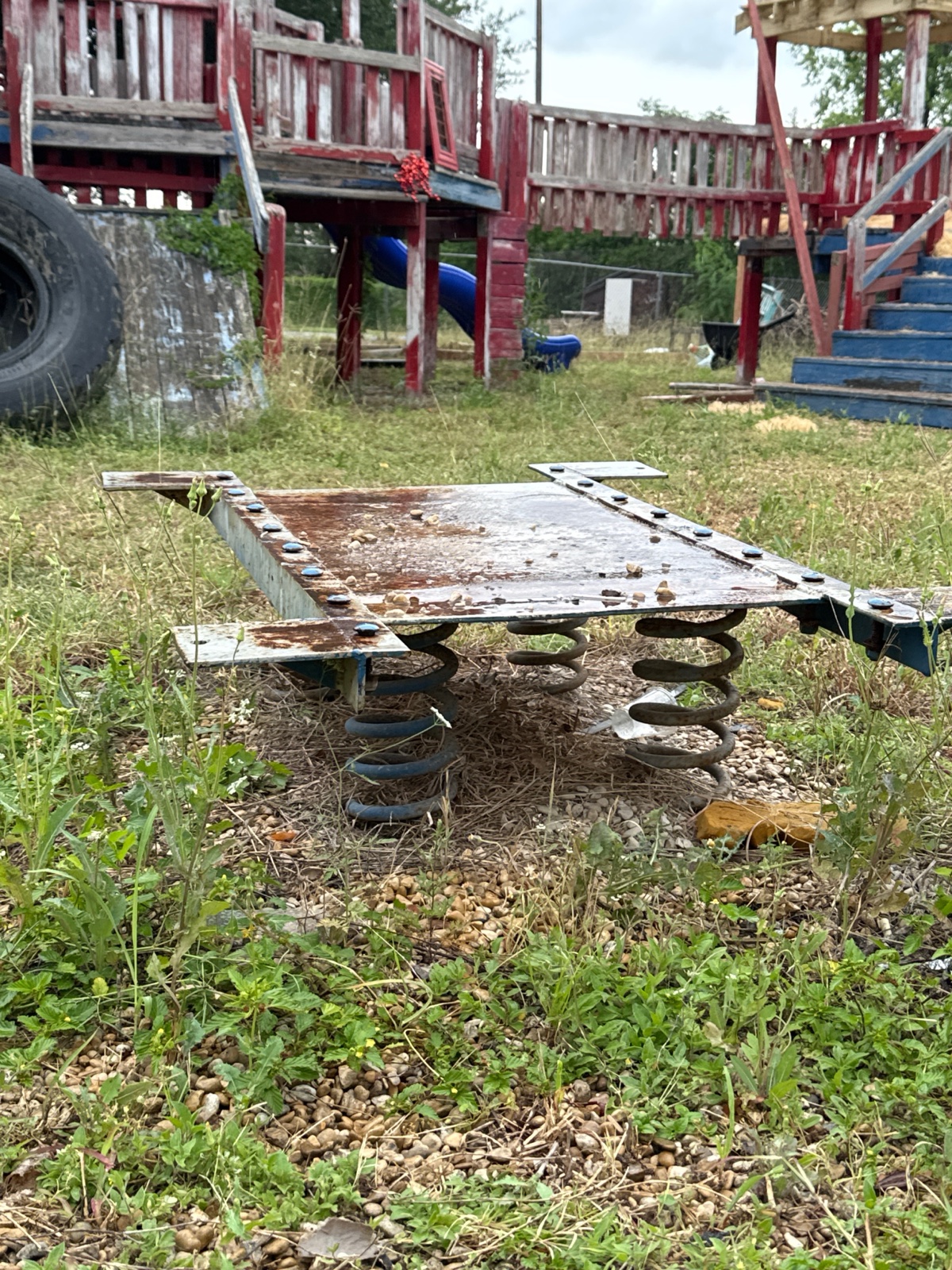
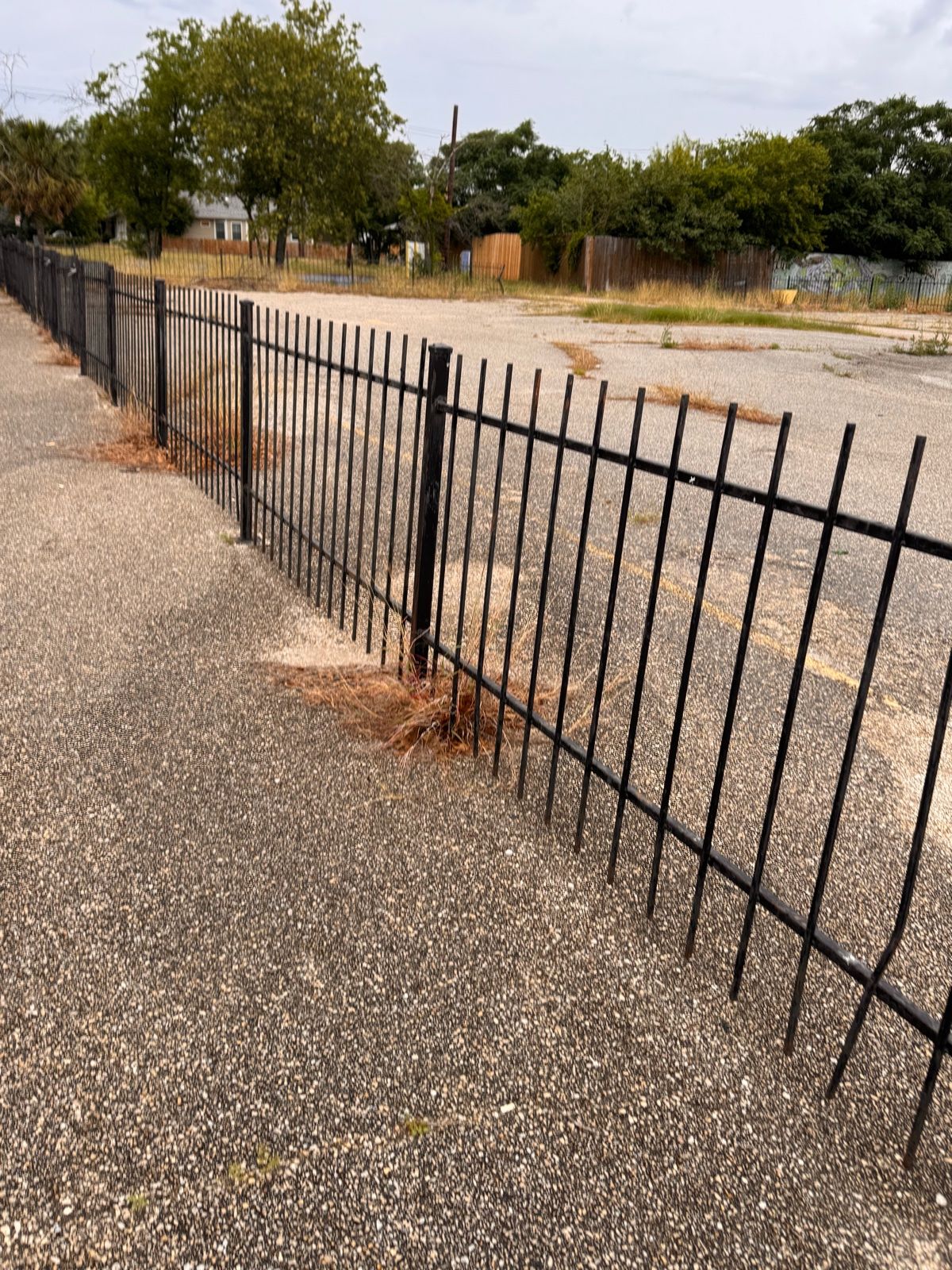
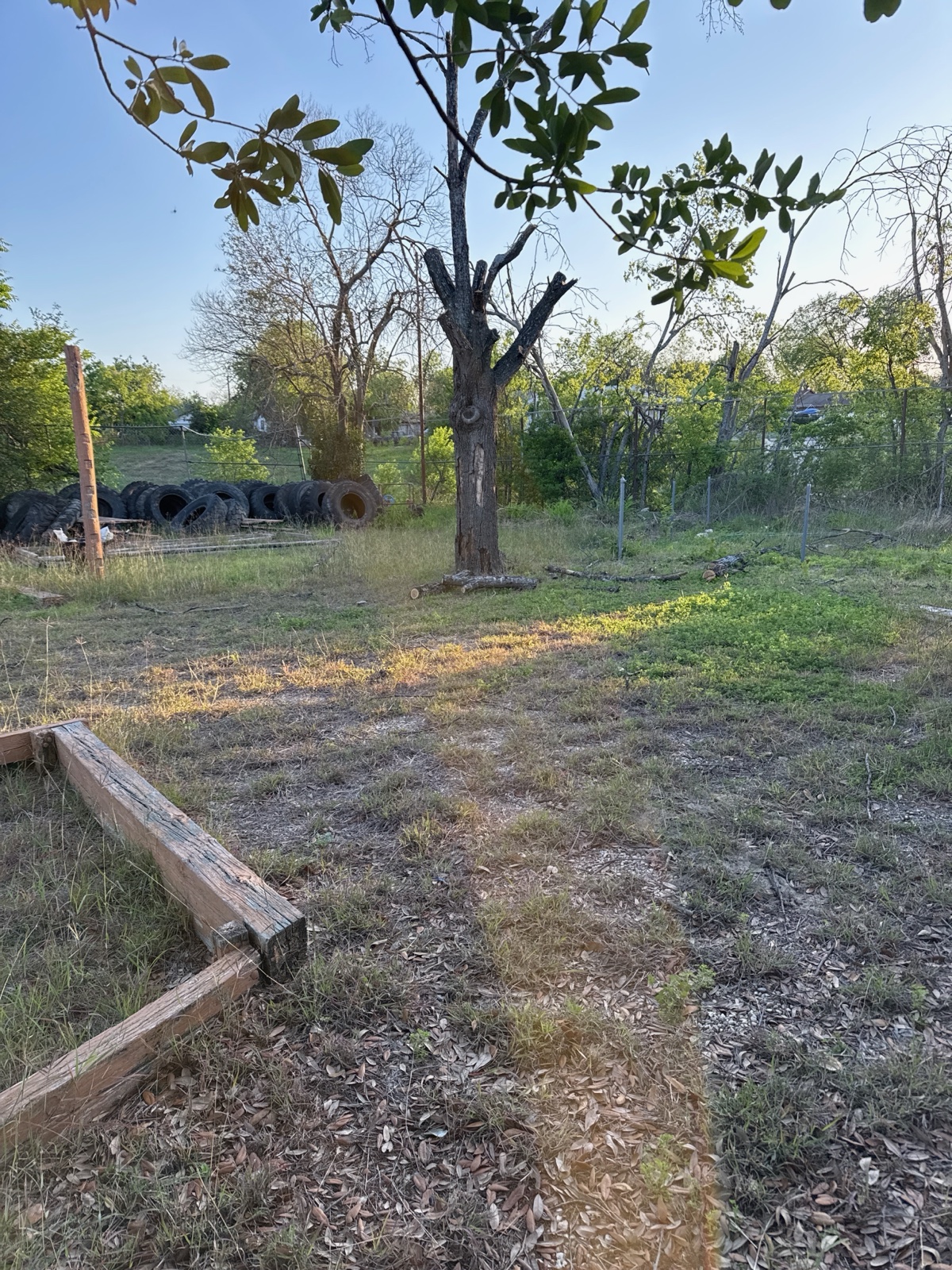
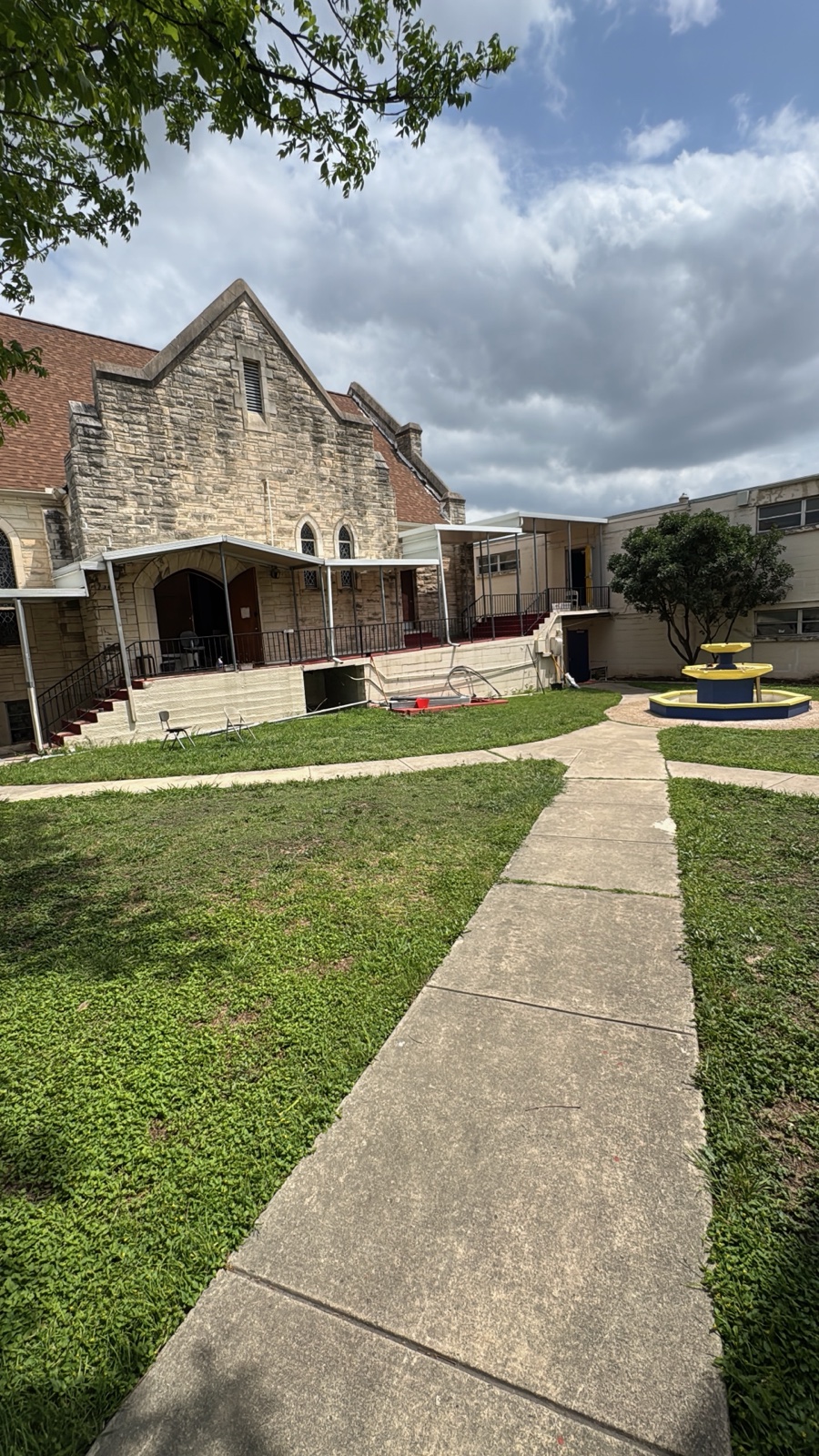
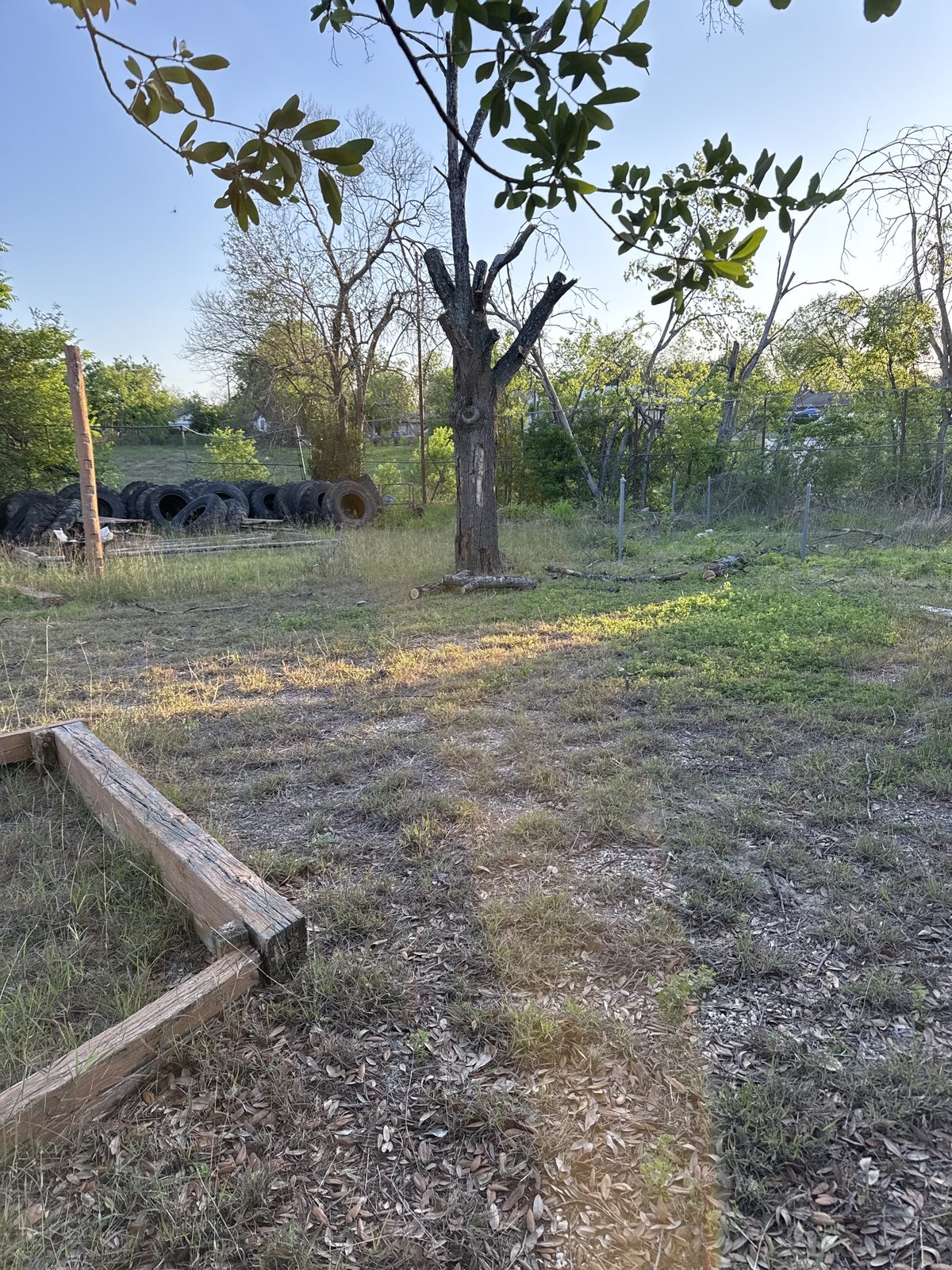
I will not pretty it up — the photographs don't, and neither will I. The plaster had let go in sheets and slid down the walls. The kitchen was a decade of someone else's leaving, boxed and gone soft with damp. Out back, where the children's voices used to be, a rusted spring-rider listed in the weeds, and the lot was a graveyard of stacked tires — the most permanent of American ruins. And running past all of it was a concrete channel of the Woodlawn Lake watershed: built to carry the West Side's stormwater, and by then carrying whatever else drifts in where a city stops looking. We cleared what we could the only honest way there is — by hand.
The ones a city writes off.
The plan was simple and almost certainly too ambitious, which is the only kind of plan worth having. We would partner with the people a city tends to write off in the same breath as the building — veterans finding the long way back through a work-rehabilitation program, and young people through YES — Youth Empowerment Services — and we would teach them the oldest and least fashionable competence there is. How to grow something. How to read soil, move water, keep a living thing alive on purpose.
It was not charity — not the kind that arrives in a truck, anyway, and that distinction was the whole point. We had all watched the other model at work: a pile of what a neighborhood already has too much of, dropped off by someone who then drives away feeling generous. That is charity as a sedative — it flatters the giver, treats the symptom, and leaves a person exactly as dependent as it found them. We were after the opposite trade: a skill instead of a pile, agency instead of a standing appointment with someone else's mercy. Hand a man a bag of hand-me-downs and you have dressed him until laundry day; teach him to grow his own food and you have quietly offended everyone whose budget depends on his staying helpless.
My grandmother could have taught the whole curriculum with a tin cup and a frown, and that is exactly the point: the knowledge is ancient, communal, and has been waiting in the blood the entire time. We were not importing a program. We were remembering one.
The field crew.
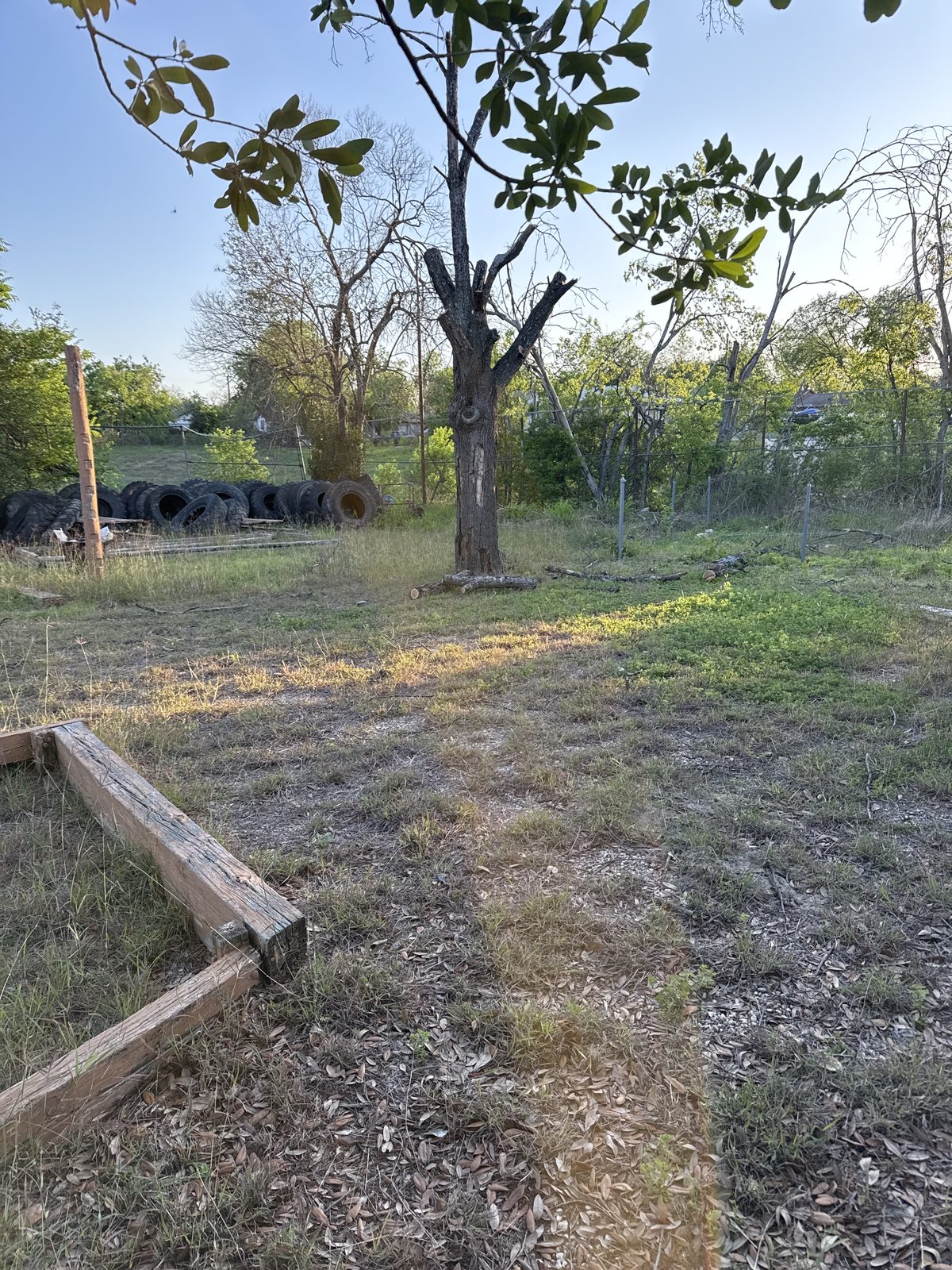
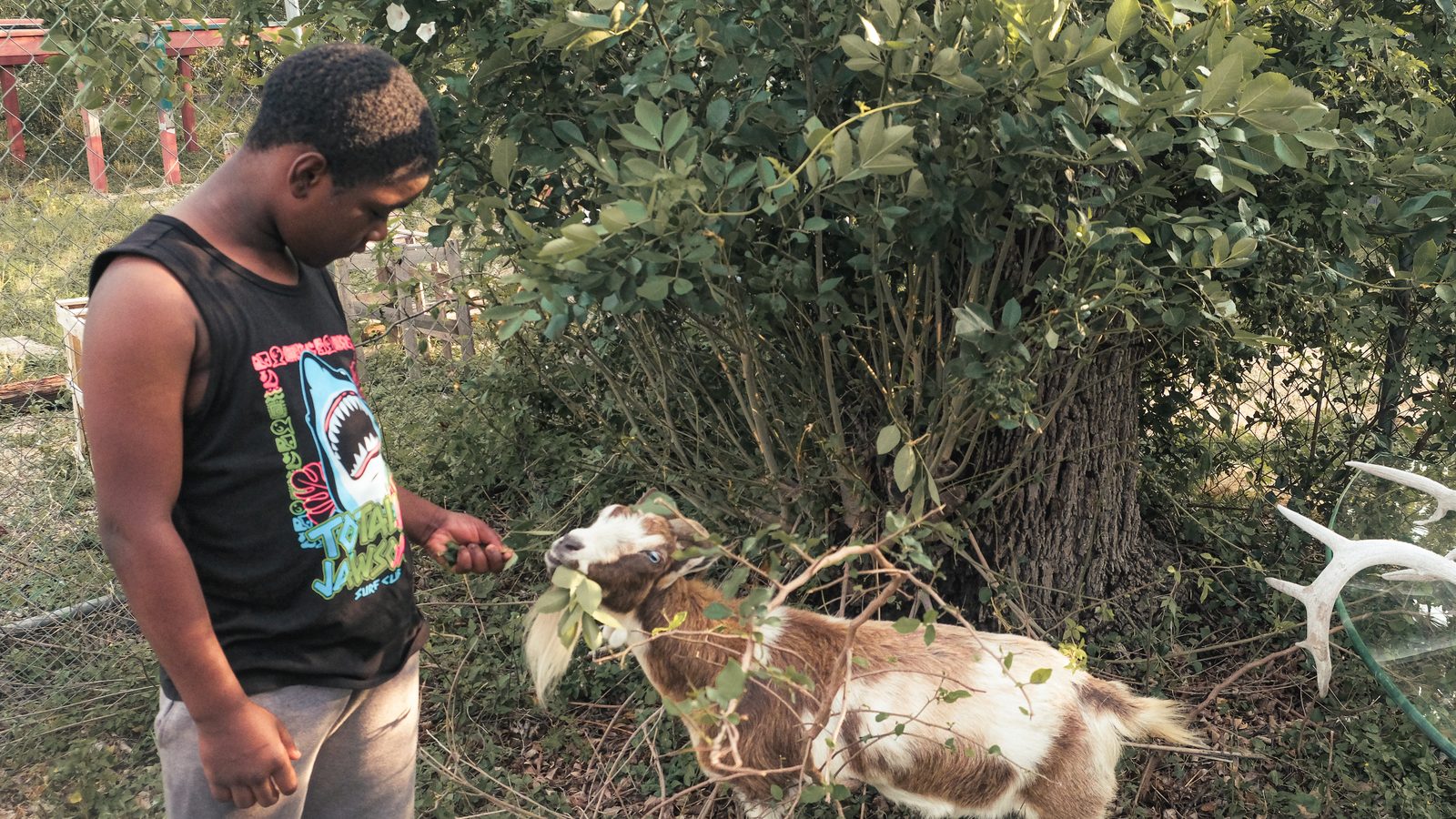
So we built a temporary ecological field on the same dirt the tires had been rotting into, and — because the budget was a rumor and the labor was the lesson — we hired goats. I recommend them without reservation as the most honest land-clearing crew you will ever employ and the worst at taking direction; they will eat a problem down to the roots and then start in on your plans for the afternoon. The goats had company — a few chickens, some African guinea fowl — until the neighborhood cats discovered that free-range poultry is a form of room service. Lesson filed: the next field gets a fence the cats respect. Around them, slowly, the thing we had come to do began to happen.
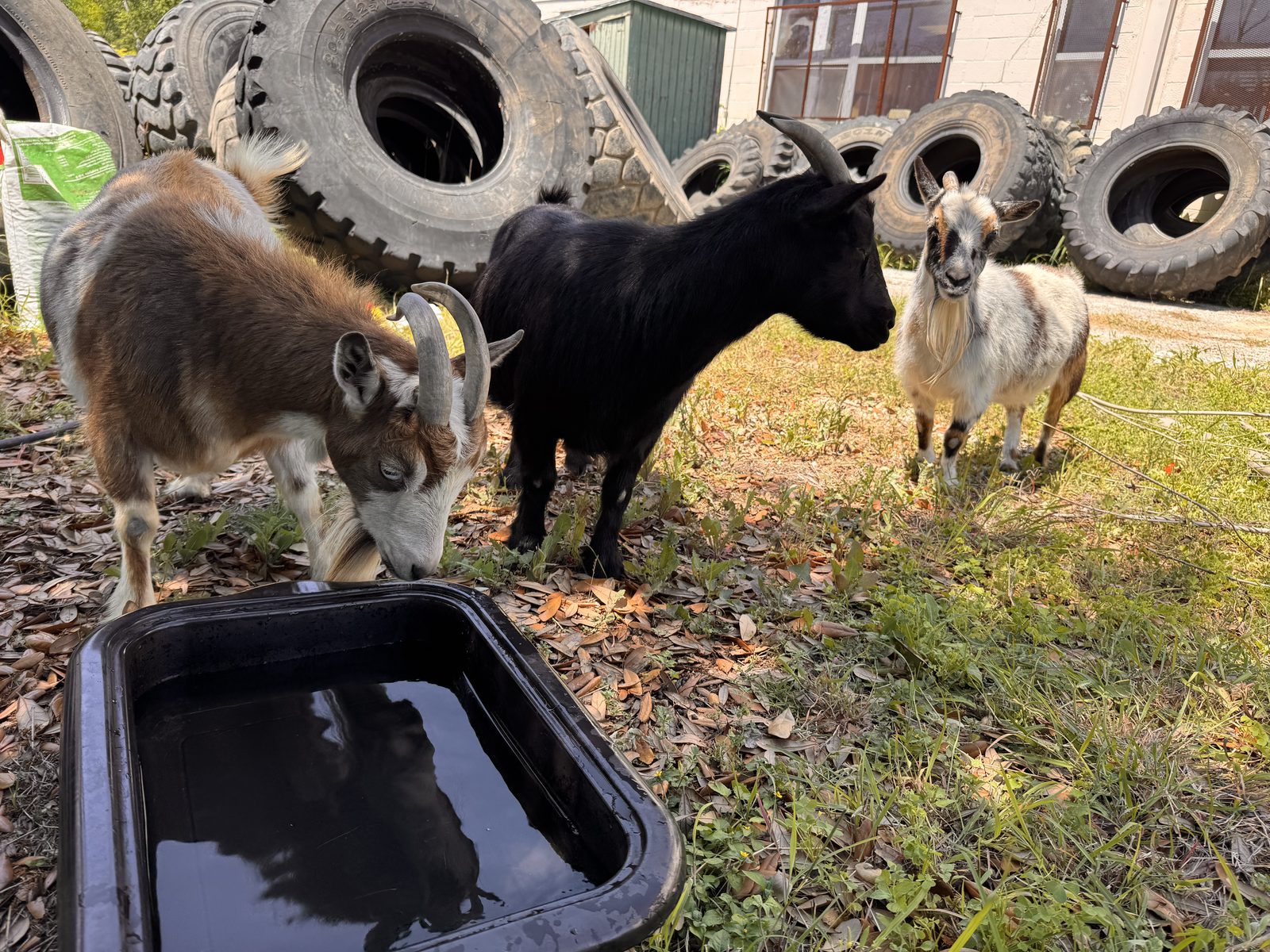
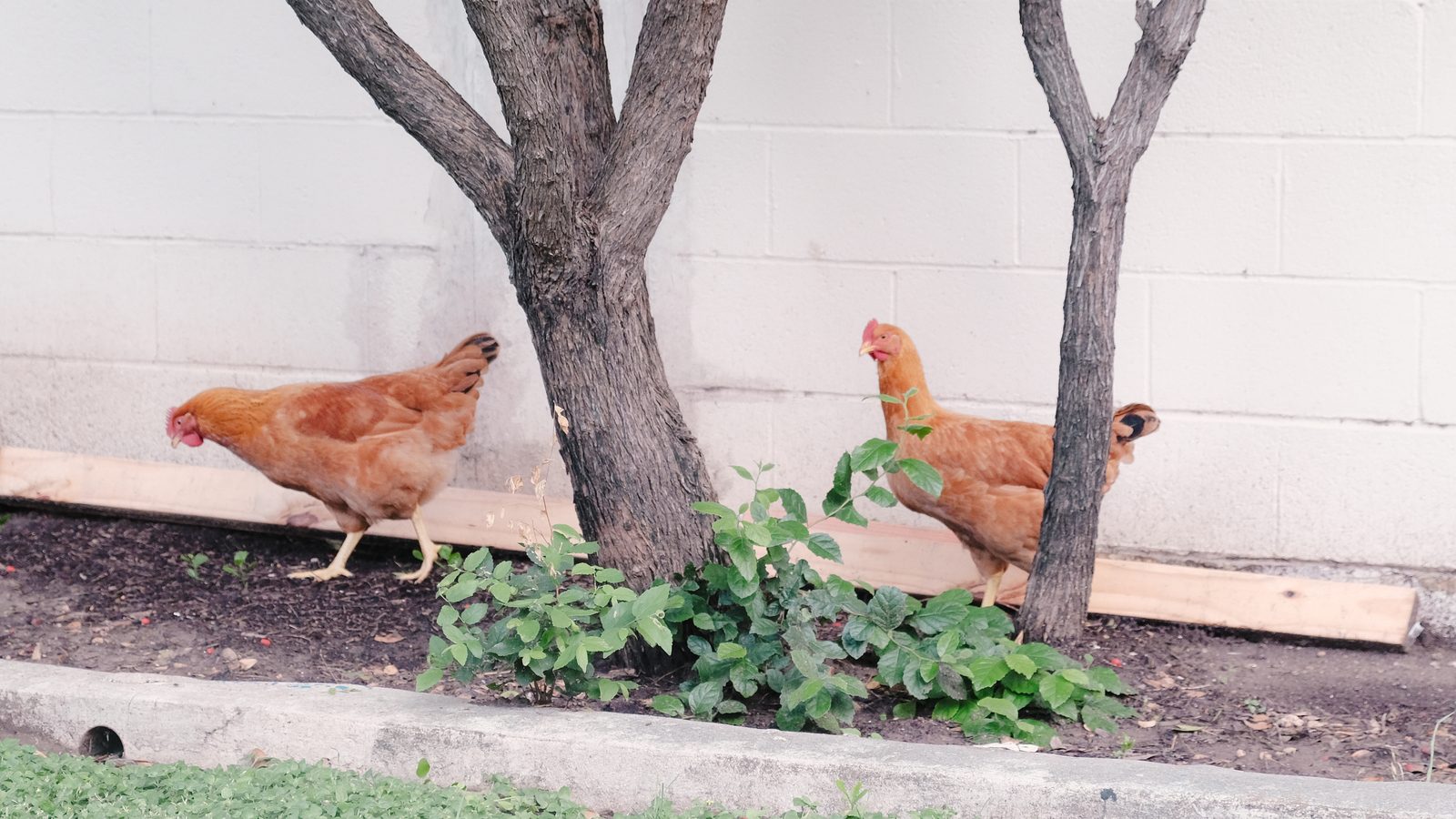
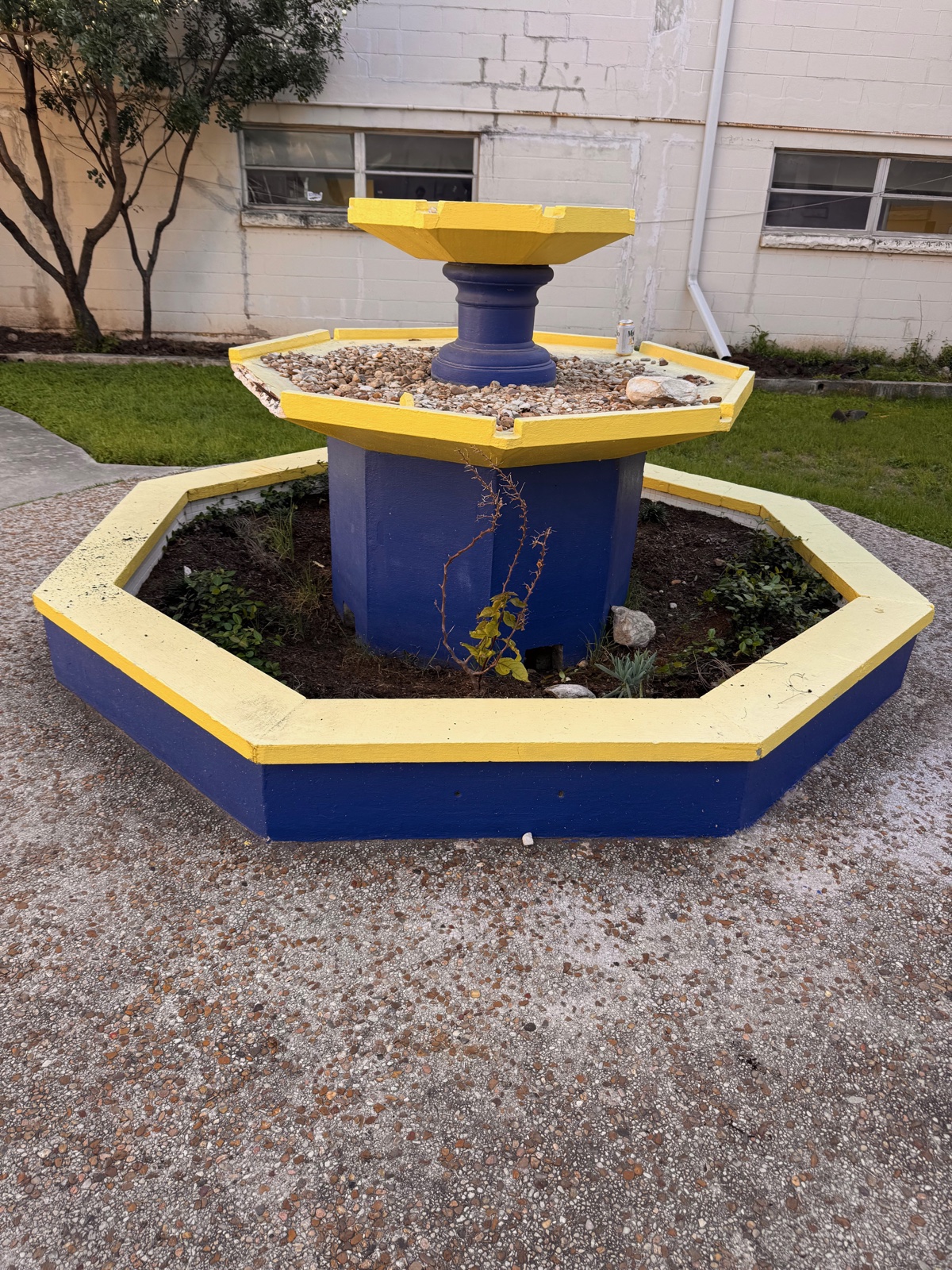
People who had never put a seed in the ground put seeds in the ground. Some who had been trained, at great public expense, to break things spent those weeks learning to tend one. There is a specific dignity in watching a man who has been told for years that he is a danger discover that he is, in fact, good with tomatoes. We pulled the courtyard fountain out of its weeds and gave it back its color, because a place learning to live again should have something in it worth circling.
What's true.
I won't oversell it, because the overselling is how this kind of work usually dies. We did it pro bono — which buys you a clear conscience and nothing else. The funding beyond our own hands was thin, the timeline thinner, and the building had more problems than two months and a man with goats could solve. We did not transform a neighborhood — anyone who tells you they transformed a neighborhood in eight weeks is reading you a grant report, not the truth.
Four people trained; three of them veterans; two are working in green industry now. But the thing I remember is smaller and much harder to fake: the specific, unrepeatable face of a person who has just discovered, at sixteen or at forty, that they are good at something that grows. You cannot put that in a metrics table. It is, as far as I can tell, the only metric that has ever mattered.
The seed.
That is the whole thesis of this company, rehearsed early and rough and out loud to an audience of goats: that the cure for an abandoned place and the cure for an abandoned person arrive, far more often than is comfortable, by the same means — and that the means is patient, communal, and cheap, and has dirt under its fingernails. 702 did not last. It was never built to; experiments are not meant to become monuments.
But it is the reason every project since has carried, somewhere in its design, a question we did not used to know how to ask out loud — not only what can this land become, but who else can it bring back.
- The work
- An abandoned charter school, brought back by hand into a temporary ecological training center.
- Partners
- A veteran work-rehabilitation program · YES — Youth Empowerment Services.
- The field
- A temporary ecological field, cleared and grazed by goats; hands-on training for veterans and community members to become gardeners.
- The cohort
- Four trained — three veterans, one young person. Two went on to jobs in green industry.
- Terms
- Pro bono — Noon's own hands, start to finish.
- Honest scope
- A deliberate experiment, run to its finding — and the seed of everything since.